
Some of the best-located land in Australia's cities isn't zoned for housing at all. It sits inside university campuses, golf courses, racecourses and old institutional sites, often held back by zoning, title restrictions or simply a lack of a clear pathway.
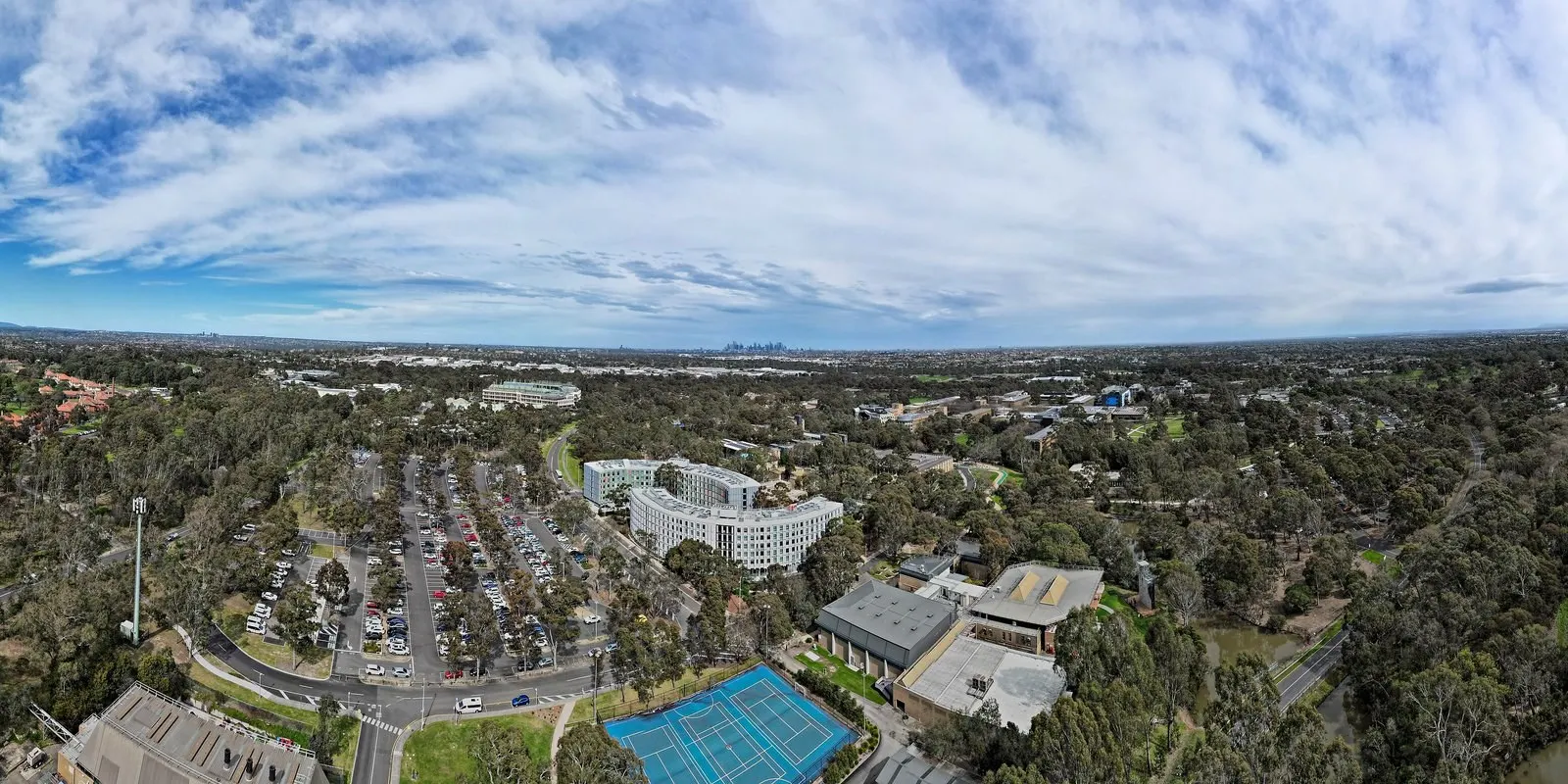
This week Victoria took a step on one of the biggest. On 3 November, the state government announced it would remove a historic title restriction on two parcels of land at La Trobe University's Bundoora campus, paving the way for around 2,300 new homes, with a minimum of 10 per cent affordable housing.
For developers, the headline number matters less than the process behind it.
What happened at La Trobe
The two parcels are part of the government's Unlocking Strategic Sites program, which fast-tracks the rezoning of underused land. According to the state, La Trobe will now progress its application, which will be subject to a full planning assessment and community consultation. Once development is under way, up to $13.6 million captured from the value of the land sale will be reinvested into projects that support the local area.
It is one piece of a much larger plan. The Urban Developer reports that La Trobe's $5 billion University City masterplan covers 156 hectares of the 255-hectare campus, about 17 km from the Melbourne CBD, and includes around 9,300 homes across village precincts, to be delivered over 30 years. The land is currently zoned Public Use (Education). Plenary was named preferred partner for the masterplan in 2022.
How the pathway works
The Unlocking Strategic Sites pathway sits within Victoria's Development Facilitation Program. According to the Department of Transport and Planning, it targets surplus land such as former industrial and institutional sites, golf courses, racing tracks and university-owned land, and gives the Minister for Planning a route to become the planning authority for sites of state or regional significance.
Seven sites were assessed in the first phase in April 2026, which the department says could enable more than 9,000 homes. A further 12 sites are in a second phase, from Lang Lang and Dandenong to Warrnambool and Ballarat.
The eligibility criteria are where developers should focus. Sites must generally be two hectares or more, sit within a settlement boundary or next to an urban zone, and include at least 10 per cent affordable housing for residential proposals. Proponents must show that infrastructure and services can be provided, that investment is committed or available, and that a planning permit application will be lodged within 12 months of the rezoning being finalised.
A developer's read
Rezoning is the start, not the finish. A faster planning scheme amendment removes one source of delay. It doesn't remove public consultation, referral authorities, servicing agreements or the permit itself. Program timelines should be set from the permit, not the announcement.
The 12-month clock cuts both ways. Committing to lodge a permit application within a year of rezoning gives the market confidence, but it means design, technical reports and servicing work need to be well advanced before the rezoning lands. That is real money spent at risk.
Affordable housing and value capture are feasibility inputs. A 10 per cent affordable component and any value-capture contribution need to be priced into land value from the first feasibility, not negotiated away later.
Big sites are delivered in stages. A 30-year masterplan isn't one project. Infrastructure has to be staged so early releases can carry their share without loading the whole site's costs onto the first homes.
Landowners need delivery partners. Universities, clubs and institutions own the land, but most aren't developers. Joint ventures, development agreements and staged land sales are how these sites move, and the terms set at the start shape the outcome for decades.
Why it matters
Surplus land inside established suburbs is close to jobs, transport and services. Pathways like this one can bring it forward faster. Whether homes follow depends on what happens after the rezoning: servicing, staging and feasibility that works at today's costs.
This article is general information only and does not take account of your circumstances.
Sources
- The Urban Developer, "La Trobe Uni Clears Major Hurdle for 2300-Home Campus Masterplan", 4 November 2026: https://www.theurbandeveloper.com/articles/la-trobe-university-melbourne-title-restriction-victora-government-land-unlocked
- Inside State Government, "La Trobe University land parcels unlocked for housing", November 2026: https://www.insidestategovernment.com.au/la-trobe-university-land-parcels-unlocked-for-housing/
- Victorian Department of Transport and Planning, "Unlocking strategic sites" (page updated 28 August 2026): https://www.planning.vic.gov.au/planning-approvals/planning-enquiries-and-requests/development-facilitation-program/unlocking-strategic-sites