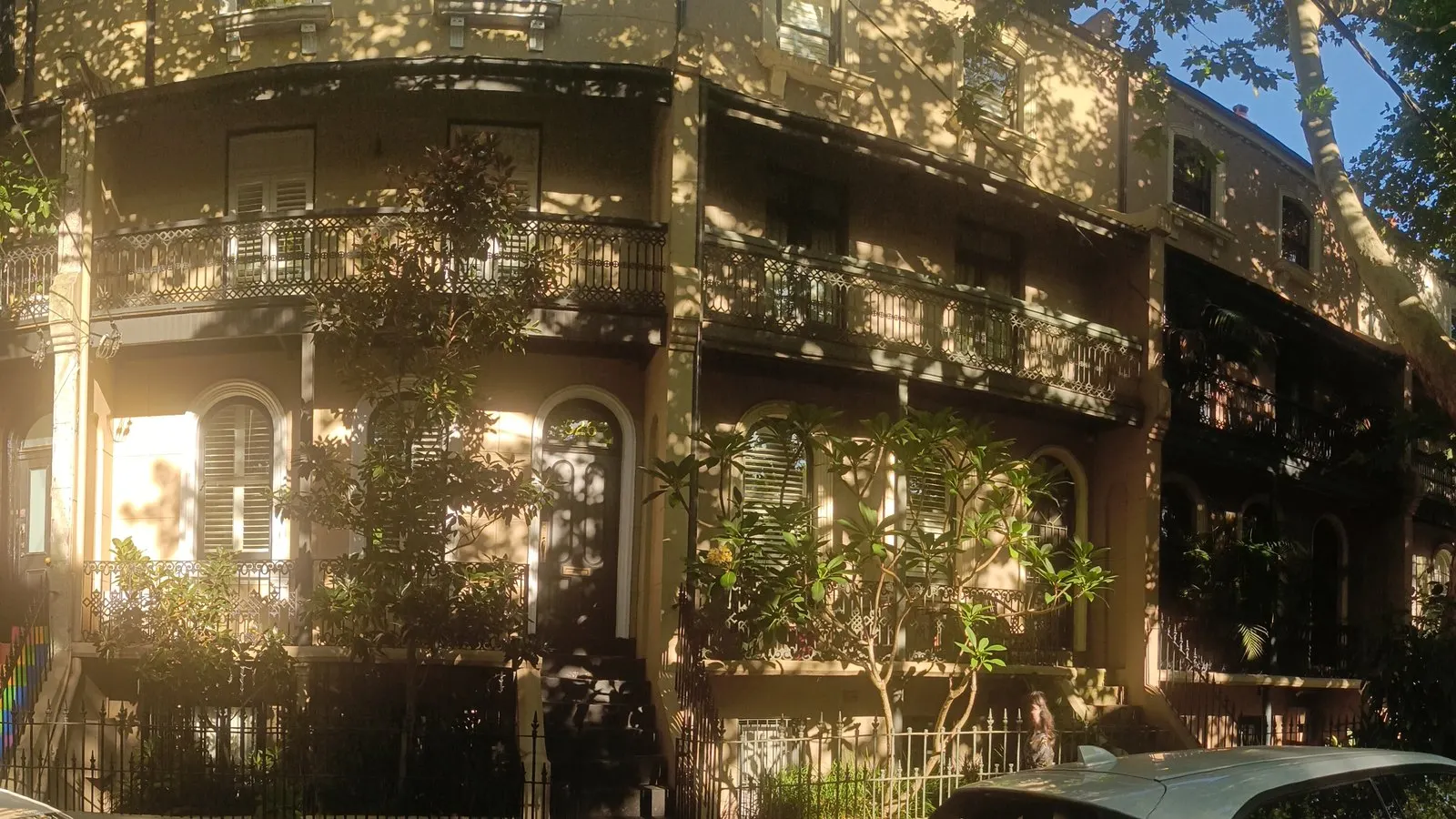

Walk down a street of old terraces in Sydney or a post-war suburb in Canberra and you're looking at repeat designs. Builders used the same plans again and again because it was quicker, cheaper and predictable. Governments are now bringing that idea back, and developers should take a close look at both the opportunity and its limits.
The ACT's new pattern book
On 26 October, ACT Planning Minister Chris Steel opened expressions of interest for the Canberra House Pattern Book Design Competition. The national competition is seeking designs for four "missing middle" housing types: dual occupancies, tri-occupancies, townhouses and terrace housing.
The government says the pattern book will be a library of pre-qualified, sustainable and affordable designs that can move through a streamlined approvals pathway. Steel put it simply: "This pattern book will give Canberrans a range of top quality, sustainable, and affordable home designs that can be built without the need for a DA."
According to Region Canberra, Steel said the plans could be bought for $1000, and that the government would look at promoting modern methods of construction "like prefabricated wall systems". The competition follows the ACT's missing middle planning reforms passed in July.
The timetable is not quick. Expressions of interest close at 2pm on 3 December 2026, and the design competition runs from 1 February to 30 April 2027. Winning designs then need to be refined before they're published. The Canberra Times reports that about 16 professional entrants and about six student entrants will be selected to submit designs, which will be publicly exhibited.
What NSW has learned so far
NSW is further along. Its Housing Pattern Book was introduced in July 2025. Eligible low-rise pattern designs can be approved as complying development in as little as 10 days, compared with 20 days for standard complying development, and the neighbour notification period is cut from 14 days to seven. Mid-rise patterns use a streamlined development application instead.
The early uptake numbers are telling. In an answer to a question on notice on 9 July 2026, summarised by Madison Marcus Lawyers, the NSW Planning Minister said 24,974 pattern book designs had been bought since launch. In the same period, 38 complying development applications had been lodged using low-rise patterns, 21 certificates had been issued and nine approved projects had started construction.
Interest in the designs is clearly strong. Far fewer have turned into projects.
Why a faster approval isn't the whole answer
From a developer's point of view, a predictable approval is valuable. Every month a site waits on an approval costs money, and certainty makes a project easier to plan and program. But an approval pathway only solves one part of the problem.
Site eligibility comes first. In NSW, using a pattern design doesn't automatically make a project complying development. The site has to meet eligibility rules, and the pattern book code excludes land such as bushfire-prone land, flood control lots, battle-axe lots, unsewered land and land at risk of landslip. A pattern can't fix a site constraint.
Design flexibility is limited. NSW patterns can be adapted only within set parameters, and each application needs a design verification statement from an accredited designer. If a site needs more than the permitted changes, the project falls back to a merit assessment.
The numbers still have to work. A pre-approved plan doesn't lower the cost of trades, materials or civil works, and it doesn't change what buyers will pay in a given suburb. Two townhouses on a lot only proceed if the build cost and the sale price leave a margin.
Build quality and speed matter as much as the paperwork. The ACT's interest in prefabricated systems is the right instinct. Repeatable designs are most useful when they let builders repeat the construction method too, not just the drawings.
The developer's checklist
Before relying on a pattern book design, it's worth asking:
- Does the site meet every eligibility rule, including hazards, access and servicing?
- Can the pattern fit the lot, slope and orientation without changes outside the allowed adaptations?
- What does it cost to build today, using current quotes?
- Is there buyer depth for this product, at this price, in this street?
- How much time does the faster pathway really save across the whole program, from site purchase to settlement?
Pattern books are a sensible tool, and the ACT is right to adapt a proven idea to its own streets. But housing supply comes from projects that stack up, not from plans on a shelf. The best results will come where a faster approval meets a site that works and a build program that can deliver.
Sources
- ACT Government (Chris Steel MLA), "Pattern book design competition to deliver more homes across Canberra", 26 October 2026: https://www.cmtedd.act.gov.au/open_government/inform/act_government_media_releases/chris-steel-mla-media-releases/2026/pattern-book-design-competition-to-deliver-more-homes-across-canberra
- ACT Planning, Canberra House Pattern Book Design Competition (key dates): https://www.planning.act.gov.au/planning-priorities/canberra-house-pattern-book/canberra-house-pattern-book-design-competition
- Region Canberra, "Steel launches competition to find Canberra's best missing middle designs", 1 November 2026: https://region.com.au/steel-launches-competition-to-find-canberras-best-missing-middle-designs/1010745/
- The Canberra Times, "ACT design competition seeks architects for 'missing middle' plans": https://www.canberratimes.com.au/story/9379156/act-design-competition-seeks-architects-for-missing-middle-plans/
- The Urban Developer, "ACT's 'Govie' Homes Reprised in National Pattern Book Competition", 2 November 2026: https://www.theurbandeveloper.com/articles/canberra-govie-home-national-pattern-book-competition-act-government-enter-apply
- Madison Marcus Lawyers, "NSW Housing Pattern Book: The 10-Day CDC Pathway for Low-Rise Housing", 25 September 2026: https://www.madisonmarcus.com.au/news-media/areas-of-law/planning-environment-certification/nsw-housing-pattern-book-10-day-cdc-pathway/
- NSW Department of Planning, Housing and Infrastructure, "Fast-track your planning approval": https://www.planning.nsw.gov.au/government-architect-nsw/housing-design/nsw-housing-pattern-book/fast-track-your-planning-approval